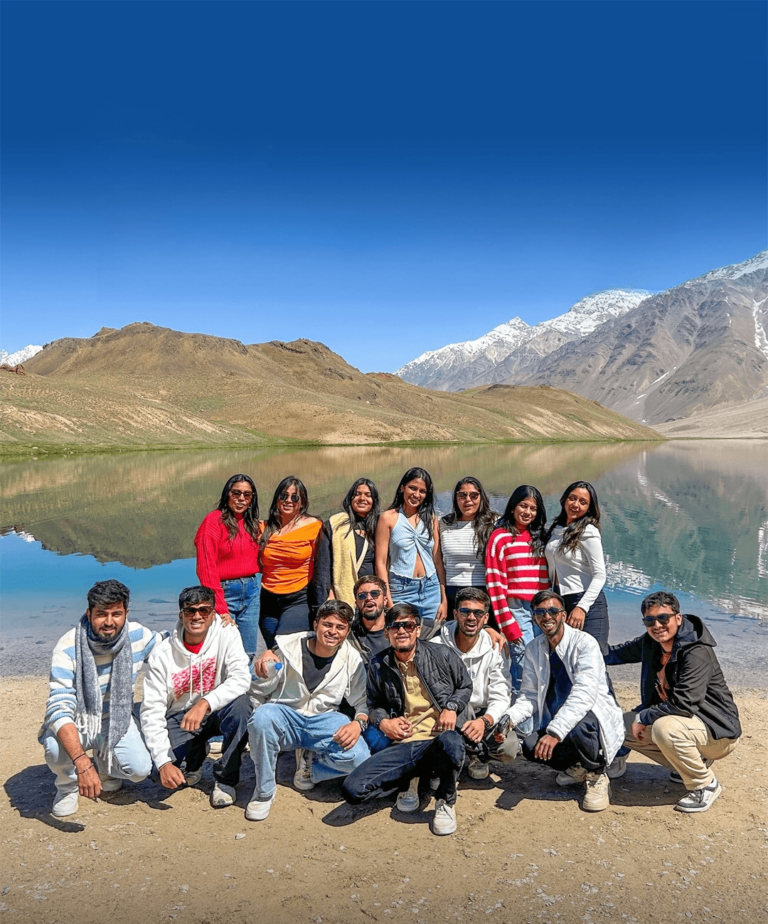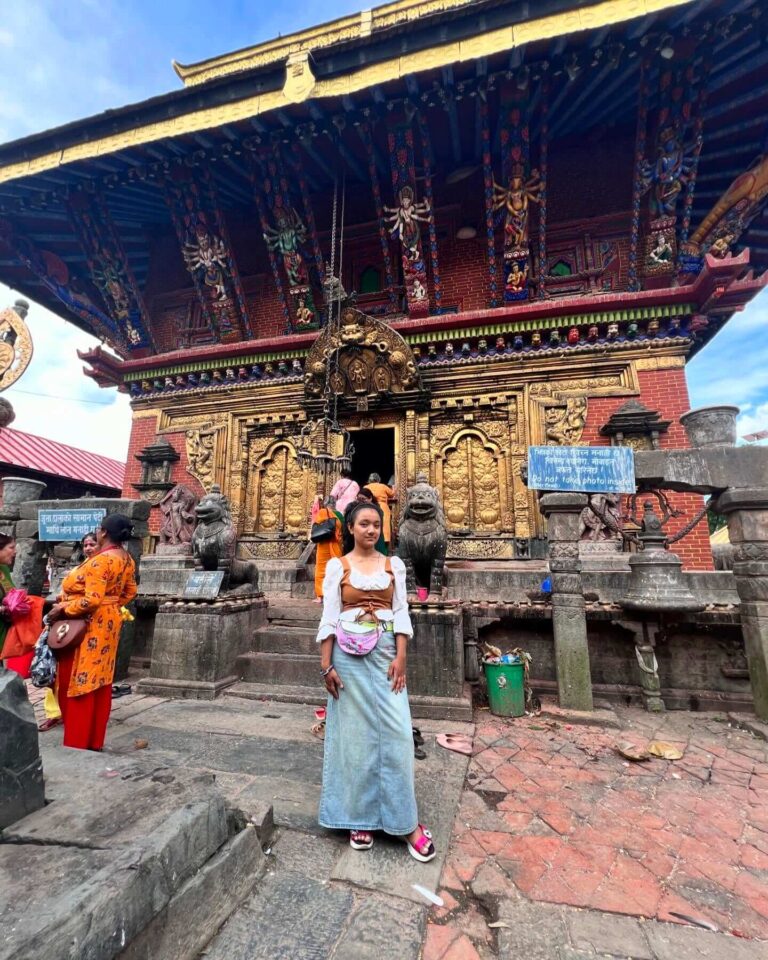
India is a land of spirituality, with thousands of temples, monasteries, and sacred sites scattered across its diverse landscapes. Pilgrimage tourism in India offers travelers the chance to explore religious heritage, experience cultural traditions, and find inner peace.
From the snow-capped Himalayas to the tranquil southern coasts, pilgrims and tourists alike embark on journeys that blend devotion, adventure, and cultural exploration. Whether visiting famous shrines or hidden sacred spots, India’s spiritual diversity provides a rich tapestry of experiences for every traveler seeking both faith and fascination.
1. Varanasi – The Eternal City
Varanasi, on the banks of the Ganges, is one of the oldest inhabited cities in the world. Known as the spiritual heart of India, it attracts millions for rituals, boat rides, and temple visits.
Varanasi offers an unparalleled spiritual experience. Ghats along the Ganges provide spaces for prayer, meditation, and evening Aarti ceremonies. Kashi Vishwanath Temple, dedicated to Lord Shiva, is a must-visit for pilgrims. Walking through narrow lanes, visitors discover ancient temples, local markets, and vibrant culture. The city’s unique combination of devotion, history, and culture makes it a quintessential destination for pilgrimage tourism in India. Exploring Varanasi allows travelers to witness rituals that have been followed for centuries, offering deep spiritual insight and connection with India’s enduring religious traditions.
2. Rishikesh and Haridwar – Spiritual Capitals of Uttarakhand
Rishikesh and Haridwar are hubs for yoga, meditation, and spiritual retreats, attracting both domestic and international pilgrims.
Rishikesh, known as the Yoga Capital of the World, offers ashrams, riverfront meditation, and adventure activities like rafting. Haridwar, famous for the Ganga Aarti at Har Ki Pauri, invites pilgrims to cleanse their sins in the holy river. Both cities host festivals like Kumbh Mela, drawing millions. Travelers can participate in spiritual practices, attend yoga classes, or enjoy serene riverside walks. These destinations are ideal for those seeking personal transformation, inner peace, and a holistic pilgrimage tourism in India experience. The combination of natural beauty, spiritual energy, and cultural richness ensures a memorable journey.
3. Amritsar – The Spiritual Home of Sikhism
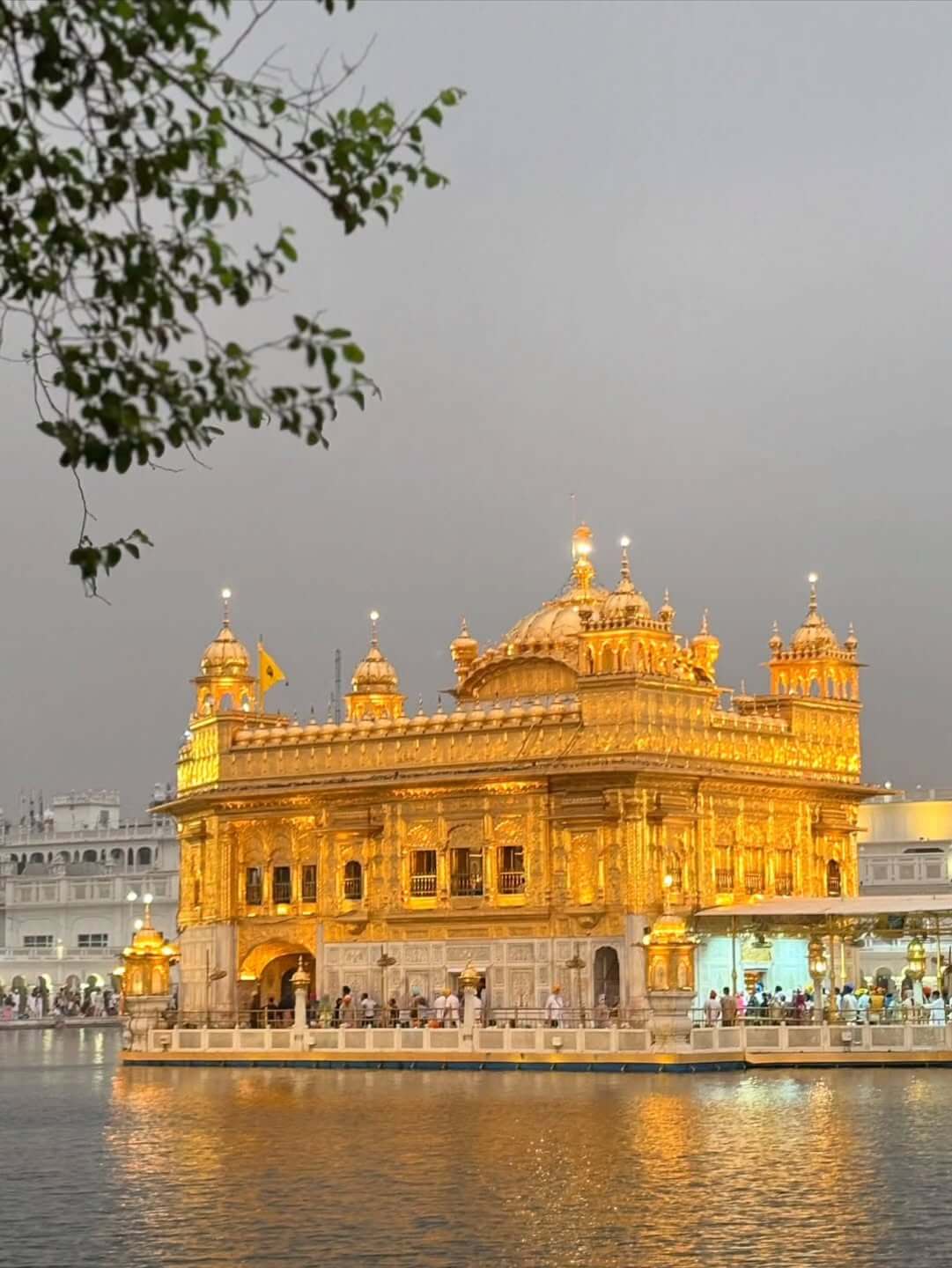
Amritsar is home to the Golden Temple, a major pilgrimage site and spiritual landmark for Sikhs worldwide.
The Golden Temple, or Harmandir Sahib, attracts millions of devotees and tourists for its stunning architecture and sacred atmosphere. Pilgrims participate in prayers, community meals (langar), and evening ceremonies. Visiting Jallianwala Bagh provides historical context, linking spirituality with India’s rich past. Amritsar offers insight into Sikh traditions, rituals, and hospitality. Experiencing Amritsar exemplifies pilgrimage tourism in India, blending devotion, culture, and history. Travelers leave with a deeper appreciation of the Sikh faith and a profound sense of spiritual fulfillment.
4. Tirupati – A Southern Pilgrimage Marvel
Tirupati, in Andhra Pradesh, is famous for the Tirumala Venkateswara Temple, one of the most visited religious sites in the world.
Tirupati draws millions of pilgrims annually to worship Lord Venkateswara. The temple’s stunning architecture, combined with centuries-old rituals, offers an unforgettable spiritual experience. Pilgrims can trek the footpaths to the hilltop temple or explore nearby local attractions. Visiting Tirupati provides a unique perspective on pilgrimage tourism in India, showcasing devotion, faith, and cultural richness. Beyond rituals, travelers enjoy local cuisine, handicrafts, and festivals, making Tirupati a holistic spiritual and cultural destination in southern India.
5. Bodh Gaya – The Enlightenment Destination
Bodh Gaya in Bihar is where Lord Buddha attained enlightenment, making it a key destination for Buddhist pilgrims.
The Mahabodhi Temple complex, a UNESCO World Heritage Site, is the heart of Bodh Gaya. Pilgrims meditate under the Bodhi Tree, visit monasteries representing different countries, and explore the tranquil surroundings. The city hosts religious ceremonies, teachings, and meditation retreats. Pilgrimage tourism in India finds a unique expression here, blending spiritual learning, peaceful surroundings, and cultural diversity. Traveling to Bodh Gaya offers an enlightening experience, connecting visitors with Buddhist teachings, ancient architecture, and the serene aura of this sacred Himalayan foothill town.
6. Rameswaram – A Sacred Southern Isle
Rameswaram, in Tamil Nadu, is an important Hindu pilgrimage site known for Ramanathaswamy Temple and its sacred corridors.
Rameswaram is revered for its link to the Ramayana and religious rituals. The Ramanathaswamy Temple, with its long corridors and sacred water tanks, draws pilgrims seeking spiritual blessings. Nearby Dhanushkodi offers natural beauty combined with historical significance. Travelers experience local traditions, participate in rituals, and explore spiritual landmarks. This southern destination highlights the diversity of pilgrimage tourism in India, combining devotion, mythology, and scenic landscapes, making it a must-visit for those seeking faith and adventure in one journey.
7. Kedarnath and Badrinath – Himalayan Pilgrimage Wonders
Kedarnath and Badrinath are two of the Char Dham sites in Uttarakhand, offering divine Himalayan experiences.
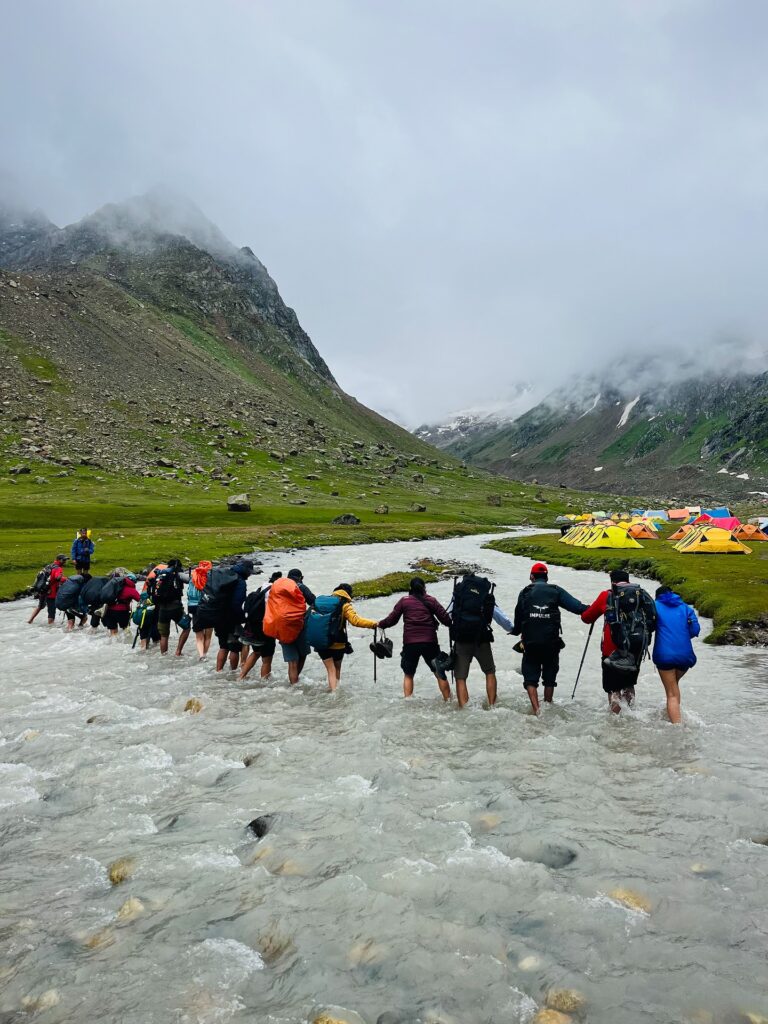
Perched amidst snow-capped peaks, Kedarnath and Badrinath attract pilgrims seeking blessings and spiritual rejuvenation. Kedarnath is dedicated to Lord Shiva, while Badrinath honors Lord Vishnu. Treks, natural beauty, and ancient rituals make these sites central to pilgrimage tourism in India. Travelers experience devotion alongside breathtaking landscapes, making the journey both spiritual and adventurous. Visiting these Himalayan temples combines faith, trekking, and nature appreciation, offering a complete pilgrimage experience for seekers of spirituality and adventure alike.
8. Shirdi – Home of Sai Baba
Shirdi in Maharashtra is the spiritual center of Sai Baba devotees, attracting millions of pilgrims every year.
Shirdi’s Sai Baba Temple welcomes devotees and tourists seeking blessings, guidance, and peace. Pilgrims explore spiritual landmarks, attend prayers, and partake in charitable acts, reflecting Baba’s teachings. Local accommodations, guided tours, and serene surroundings enhance the experience. Shirdi represents a unique aspect of pilgrimage tourism in India, where faith, devotion, and community service intersect. Visitors leave spiritually enriched, carrying memories of divine experiences and cultural insights.
9. Khajuraho – Spiritual and Architectural Marvel
Khajuraho is famous for its ancient temples showcasing stunning architecture and spiritual artistry.
Khajuraho, in Madhya Pradesh, offers a unique blend of spirituality and history. Temples feature intricate carvings, reflecting devotion, art, and mythology. Pilgrims and tourists explore the Western and Eastern temples, participate in cultural festivals, and learn about ancient rituals. Pilgrimage tourism in India finds a creative expression here, combining architectural beauty with spiritual experiences. Visiting Khajuraho provides insight into the country’s cultural richness, ancient craftsmanship, and religious devotion, making it a fascinating destination for spiritual and cultural travelers alike.
10. Amarnath – The Ice Lingam Shrine
Amarnath in Jammu & Kashmir is famed for its naturally formed ice Shiva Lingam, attracting thousands of devotees.
The Amarnath Yatra is a challenging Himalayan pilgrimage where devotees trek through rugged terrain to reach the sacred ice lingam. Pilgrims experience devotion, adventure, and breathtaking scenery. Local facilities, guides, and safety measures ensure a safe journey. Amarnath represents the pinnacle of pilgrimage tourism in India, blending spiritual significance with natural beauty. Completing the yatra is considered a profound act of faith, offering both physical and spiritual rewards to those who undertake this iconic Himalayan pilgrimage.
Conclusion
India’s diversity in faith, culture, and landscapes makes pilgrimage tourism in India a remarkable experience. From Himalayan shrines to southern temples, Buddhist sites to Sikh landmarks, every destination tells a story of devotion, history, and spirituality.
Related Blogs
Read All ›